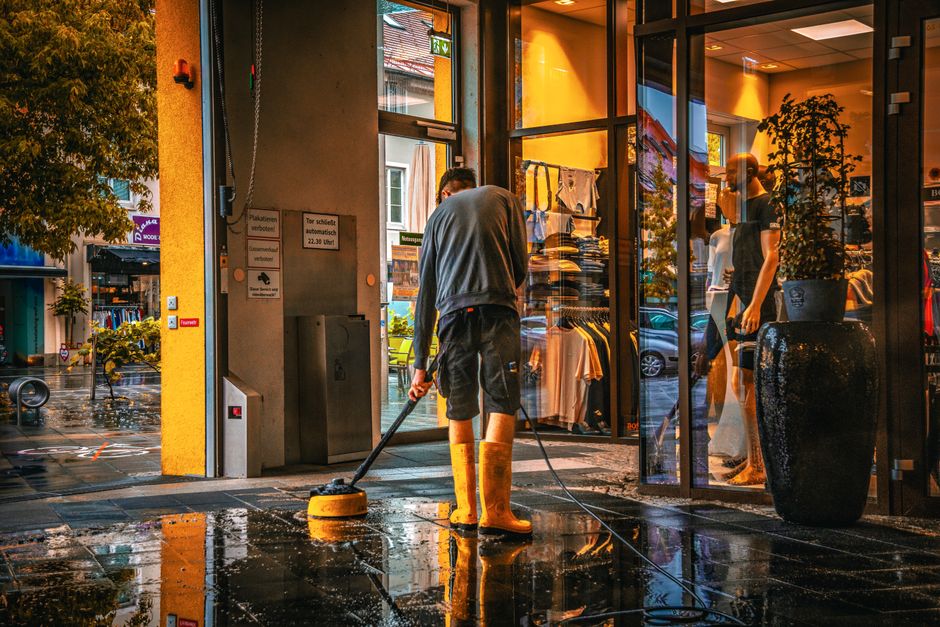
Commercial office cleaning solutions for Kennington shops and pubs

If you run a shop, cafe-style bar, local pub, or small office space in Kennington, you already know the mess doesn't wait politely until closing time. Foot traffic brings in grit, glass marks show up on dark surfaces, sticky patches appear near tills and bar counters, and by the end of a busy week the place can feel tired even when business is doing well. Commercial office cleaning solutions for Kennington shops and pubs are about more than making things look nice. They help protect your reputation, reduce avoidable wear, and keep the day-to-day running smoother. In a place like Kennington, where customers notice detail and regulars quickly spot change, that matters a lot.
This guide walks through what effective commercial cleaning actually looks like, how it works in real settings, where the hidden problems usually are, and how to choose a routine that fits your space without overpaying for work you don't need.
- Why it matters
- How it works
- Key benefits and practical advantages
- Who this is for and when it makes sense
- Step-by-step guidance
- Expert tips for better results
- Common mistakes to avoid
- Tools, resources and recommendations
- Law, compliance, standards, or best practice
- Options, methods, or comparison table
- Case study or real-world example
- Practical checklist
- Conclusion
- Frequently asked questions
Why Commercial office cleaning solutions for Kennington shops and pubs Matters
Let's face it: customers rarely comment when a place is clean, but they absolutely notice when it isn't. Smudged glass, dusty shelves, pub toilets that feel neglected, or a back office that's become a storage zone for everything except work can quietly change how people judge your business. That is true whether you operate a small independent shop, a busy local pub, or an office that regularly receives suppliers, clients, or staff from different teams.
Kennington businesses also tend to work in compact, high-use spaces. That means one messy stretch can affect the whole environment. A muddy floor by the entrance gets tracked through retail aisles. A sticky patch near the bar can spread. A neglected staff kitchen starts to smell. These aren't dramatic problems, but they build up, and customers are very good at reading that atmosphere within seconds.
Good commercial cleaning supports the parts of the business people don't always think about: first impressions, staff morale, hygiene, floor safety, and the condition of your fixtures over time. If you've ever walked into a pub on a wet London evening and immediately clocked the floor, the glass, the smell, and the state of the toilets, you already understand the point. Cleanliness is part of the experience.
Key takeaway: the best cleaning solution is the one that protects presentation during trading hours, keeps problem areas under control, and fits the rhythm of the business rather than interrupting it.
How Commercial office cleaning solutions for Kennington shops and pubs Works
A strong commercial cleaning plan usually starts with the space itself, not a fixed checklist copied from somewhere else. Shops and pubs have different pressure points. Offices do too. Even within the same building, the customer-facing area, staff areas, storage, and washrooms can need very different approaches.
In practice, a useful cleaning solution will combine routine maintenance with periodic deeper work. Routine cleaning handles the visible and daily issues: floors, surfaces, bins, touchpoints, washrooms, mirrors, and entry areas. Deeper cleaning covers the things that build up over time, such as carpets, upholstery, hard floors, and any stubborn staining in corners or under furniture.
For example, a shop might need early-morning glass polishing, till-point sanitising, and floor cleaning before opening. A pub might need post-close bar top cleaning, toilet attention, and a more intensive weekly clean to deal with spills, odours, and footfall. An office might need desk-area cleaning, kitchen and washroom cleaning, and periodic deep cleaning for shared surfaces and overlooked areas. Different use, different plan. Simple as that.
Good providers also think in zones. Front-of-house matters for impressions. Back-of-house matters for hygiene and workflow. High-touch zones matter for both. This is where careful planning pays off. You don't just clean "the business"; you clean the business in layers.
When carpeted spaces are involved, commercial carpet care can make a huge difference. A proper commercial carpet cleaning service helps reduce dullness, ingrained dirt, and the tired look that can settle in very quickly in busy premises. In pubs and shops, that can be the difference between a place that feels looked-after and one that feels a bit past its best.
Key Benefits and Practical Advantages
There are the obvious benefits, and then there are the quieter ones that matter just as much.
- Better first impressions: Customers notice clean floors, fresh washrooms, and clear surfaces before they notice your latest promotion.
- Less wear and tear: Regular cleaning removes abrasive dirt before it scratches floors, dulls finishes, or embeds into fabrics.
- Safer walking surfaces: Spills, crumbs, and tracked-in grit are not just untidy; they can become slip risks.
- Improved staff comfort: People work better in places that feel ordered and hygienic.
- Reduced odours: This is especially important in pubs, where food, drink, damp coats, bins, and toilets can all create competing smells.
- More consistent trading conditions: A cleaner environment makes it easier to open on time and stay presentable through the day.
- Better value over time: Prevention is usually cheaper than trying to rescue neglected flooring or upholstery later.
There's also a branding side to it. A clean, consistent space suggests attention to detail. That's not fluff. People use those signals when deciding whether a place feels trustworthy. A polished shopfront, a tidy back office, or a pub that smells fresh rather than stale quietly does a lot of work for you.
If your premises rely on textiles or soft furnishings, pairing cleaning routines with upholstery cleaning and steam carpet cleaning can be especially worthwhile. Fabric absorbs odours and spills faster than people expect. One minute it looks fine, the next it's holding on to months of traffic, crumbs, and general life.
Who This Is For and When It Makes Sense
This kind of cleaning solution is relevant if your premises get regular public or staff traffic and need to look decent all the time, not just once in a while.
It makes sense for:
- independent shops with regular footfall
- pubs with food, drinks, and late trading
- bar areas and hospitality venues with washrooms and shared seating
- small offices with visitors, clients, or multi-person use
- mixed-use premises where retail, hospitality, and office functions overlap
- leased spaces where cleanliness affects handover standards or management expectations
You may especially need a structured solution if your current system is a bit ad hoc. That often looks like this: somebody tidies when they notice a problem, staff do what they can between jobs, and deeper work only happens when things are obviously getting out of hand. It's a common setup, and to be fair it can limp along for a while. But it rarely produces a consistently good result.
There's a better time to act than after customers have already complained. If your floors are losing their shine, your bins are being overfilled, or your toilets are taking too long to reset between busy periods, you probably need a more reliable cleaning arrangement. Not necessarily more cleaning. Just better-targeted cleaning.
Step-by-Step Guidance
If you're building or reviewing a cleaning plan, keep it practical. Fancy language won't help if nobody knows what happens on Monday morning.
- Map the space. Split it into front-of-house, back-of-house, washrooms, staff areas, storage, and high-touch points.
- List the real problem spots. Think entry dirt, glass, bar residue, toilets, sinks, kitchen edges, carpets, skirting, and dusty shelving.
- Set frequencies by risk. Some tasks need daily attention; others can be weekly or monthly. Don't treat everything the same.
- Choose the right methods. Hard flooring, carpet, upholstery, and windows all need different approaches. One-size-fits-all cleaning is usually a shortcut, and not a good one.
- Build around trading hours. Shops may need early starts; pubs may need post-close cleans; offices may work best with out-of-hours visits.
- Use deeper treatments where needed. Periodic hard floor cleaning or window cleaning can lift the whole environment far more than another quick wipe-down.
- Review and adjust. Footfall changes. Busy periods happen. A good plan adapts instead of pretending every week is the same.
A simple way to think about it: if something gets visibly dirty every day, it should be in the daily plan. If it only looks tired after a while, schedule it before it reaches that point. That sounds obvious, but people miss it all the time. The result is usually either too much cleaning in the wrong places or not enough where it matters most.
Expert Tips for Better Results
These are the small choices that often separate a decent cleaning setup from one that really works.
1. Match the cleaning to the surface.
A glossy tiled floor, a carpeted stair, and a wooden bar top do not want the same treatment. If a team is using the wrong product or method, the space may look clean for an hour and then dry dull, streaky, or tacky. Nobody wants that. It's oddly annoying too.
2. Protect high-contact areas first.
Door handles, rails, counters, taps, payment points, and washroom touchpoints deserve more attention than the quiet corners. That's where people notice grime fastest and where hygiene concerns start to build.
3. Don't ignore fabrics and soft finishes.
Curtains, upholstered seating, and waiting-area furniture hold dust and odours. For hospitality spaces in particular, they can quietly drag down the feel of the whole room. Cleaning them as part of a wider schedule makes sense, even if they don't shout for attention.
4. Keep the back-of-house respectable.
Staff rooms, storage areas, and kitchen-adjacent spaces often become the "we'll deal with it later" zones. Later rarely comes. A tidy back area supports cleaner routines everywhere else.
5. Use one-off work strategically.
If you've had a refit, a spill incident, a seasonal rush, or a messy handover, a one-time reset can be smart. Services like one-off cleaning are useful when a space needs a proper recovery, not just maintenance.
6. Make it easy for cleaners to do the job properly.
Clear access, labelled areas, decent timing, and a short list of priorities make a real difference. A good cleaner can work wonders, but they still need to reach the surfaces.
One small human truth: the cleanest premises are often not the ones with the fanciest products, but the ones with the clearest routines. A simple weekly reset and a sensible daily plan usually beats a complicated system nobody follows.
Common Mistakes to Avoid
This is where many businesses accidentally waste money or make the space harder to maintain than it needs to be.
- Only cleaning what customers can see: Hidden grime eventually shows itself, usually at the worst possible moment.
- Leaving floors until they look bad: By then, dirt has often been ground in. That makes the next clean slower and more expensive.
- Using the wrong product on the wrong surface: This can damage finishes or leave residue behind.
- Assuming staff can "just handle it": Good staff can keep things tidy, but they're not a replacement for a proper commercial plan.
- Forgetting washroom realities: Toilets and sinks need more than a quick once-over. If these spaces are wrong, the whole business feels off.
- Skipping periodic deep cleaning: Maintenance alone cannot solve accumulated dirt, staining, or odour.
- Ignoring the front entrance: A grubby threshold or smudged glass can undo all the good work inside.
Another common mistake is trying to copy a cleaning schedule from a completely different business. A quiet office and a Friday-night pub do not live the same life. Their cleaning plan shouldn't either. That's a recipe for frustration, really.
Tools, Resources and Recommendations
You don't need a complicated toolkit, but you do need the right cleaning approach for each area. A well-run commercial routine usually uses a mix of everyday maintenance and specialist treatment.
| Area | Best-fit approach | Why it helps |
|---|---|---|
| Shop floors | Daily sweeping and mopping, plus periodic deeper care | Stops grit from dulling the finish and keeps entrances looking fresh |
| Pub bar areas | Frequent wipe-downs, sanitising, spill control, and closing-time resets | Handles sticky surfaces and keeps service areas presentable |
| Office desks and touchpoints | Regular surface cleaning and disinfecting routines | Supports a tidy, professional working environment |
| Carpets and soft furnishings | Commercial carpet cleaning and upholstery care | Reduces embedded dirt, stains, and odours |
| Windows and glass | Scheduled glass and frame cleaning | Keeps the frontage bright and improves light inside |
| Hard floors | Appropriate hard floor cleaning methods | Protects shine, traction, and appearance |
If you're planning around broader business support, it can also help to understand a provider's practical approach to scheduling, safety, and administration. Some businesses like to review health and safety policy information, while others simply want reassurance about insurance and safety before giving someone access to the premises. Fair enough, too.
For pricing clarity, it's sensible to ask for a written scope and a quote that explains what's included. If the work is regular, make sure you know what happens when the premises are busier than usual or need something extra. Good communication saves headaches later.
Law, Compliance, Standards, or Best Practice
Commercial cleaning touches a few areas of responsibility, especially where staff, customers, and slip risk are involved. You don't need to turn the process into a legal dissertation, but you do need to take it seriously.
In the UK, businesses generally have a duty to maintain a reasonably safe environment for staff and visitors. In practical terms, that means reducing obvious hazards such as wet floors, cluttered walkways, poor washroom hygiene, and spill residue. Cleaning routines should support that aim, not work against it.
Best practice usually includes:
- clear task allocation
- safe product handling
- appropriate PPE where needed
- regular checks on high-risk areas
- cleaning records or handover notes for busy sites
- careful attention to slip-prone entrances and toilets
For pubs and shops, hygiene expectations can be especially visible because customers interact closely with surfaces. For offices, the focus often shifts toward shared workstations, kitchens, and washrooms. The exact compliance steps vary by business type and layout, so it's wise to treat this as a tailored process rather than a one-size-fits-all box-ticking exercise.
Environmental practice matters too. Many businesses now prefer cleaning routines that reduce waste, use sensible dosing, and avoid unnecessary product overuse. If sustainability is part of your business values, it's worth reviewing how a provider approaches waste and materials. A thoughtful recycling and sustainability approach can support that without making life awkward for the team.
Options, Methods, or Comparison Table
There are a few ways to set up cleaning, and each has its place. The best option depends on how busy the premises are, what kind of mess is most common, and how much consistency you need.
| Method | Best for | Strengths | Limitations |
|---|---|---|---|
| Daily basic cleaning | Low to moderate footfall | Keeps visible areas tidy and manageable | Can miss build-up in carpets, fabrics, or corners |
| Scheduled commercial cleaning | Most shops, pubs, and offices | Reliable, repeatable, and easier to budget | Needs a clear scope and regular review |
| One-off reset cleaning | After events, refits, or neglect | Good for bringing a space back under control | Not a replacement for routine care |
| Specialist treatments | Carpets, floors, glass, upholstery | Targets problem areas properly | Works best alongside general cleaning, not instead of it |
In many Kennington premises, the best answer is a combination. Routine daily cleaning keeps the wheels turning, while periodic specialist work protects the parts of the site that take the most punishment. That combination tends to feel calmer in day-to-day life, too. Less scramble, fewer "we really need to sort this out" moments.
Case Study or Real-World Example
Picture a small Kennington pub with a compact bar, a couple of high tables, a carpeted seating area, and two washrooms. On a Friday night it gets busy fast. By Saturday morning, the obvious issues are not surprising: glass marks on the bar, sticky patches near the till, damp footprints at the entrance, and a seating area that looks a little flat, even after a standard tidy.
Instead of relying on a generic clean, the business splits the work. Every trading day the team handles surface resets, bins, and quick spill response. After close, the cleaning routine covers the bar, washrooms, touchpoints, and floors. Once a week, the premises get a deeper pass on the carpets and soft seating. Every so often, the windows are cleaned so the front still looks bright from the street.
The change is subtle but important. The place no longer feels like it's always one busy night away from slipping behind. Staff waste less time chasing small messes. Customers step in and get a better impression straight away. Nothing magical. Just a more sensible system.
That same approach works for shops and office spaces too. The details differ, but the pattern is similar: identify pressure points, set a rhythm, and stop expecting one quick clean to fix everything forever.
Practical Checklist
Use this as a simple working checklist for a Kennington shop, pub, or office.
- Have you separated customer-facing areas from back-of-house tasks?
- Are floors cleaned often enough for current footfall?
- Are washrooms checked more than once a day where needed?
- Do bar tops, counters, and payment points get proper attention?
- Are carpets, upholstery, and fabric seating cleaned on a schedule?
- Are windows and glass making the frontage look sharp?
- Is there a plan for spill response, not just regular cleaning?
- Have you reviewed any slip-prone areas near entrances or toilets?
- Do you know what is included in the current cleaning scope?
- Is there a sensible review point each month or quarter?
If you can answer "not really" to more than a couple of those, the plan probably needs tightening up. Nothing dramatic. Just a bit more structure.
Conclusion
Commercial office cleaning solutions for Kennington shops and pubs work best when they are practical, consistent, and tailored to the real pace of the premises. A busy shop needs a different rhythm from a pub; a pub needs different attention from an office; and every one of them benefits from a plan that covers visible presentation, hygiene, and the less obvious wear that builds over time.
The strongest approach is rarely the fanciest one. It's the one that keeps entrances clear, floors safe, washrooms fresh, and customers comfortable without making life harder for staff. If your current routine feels patchy or too reactive, now is a sensible time to reset it. A small improvement in cleaning can make the whole place feel more organised, more welcoming, and frankly a bit easier to work in.
Get a free quote today and see how much you can save.
And if you're weighing up who to trust with the job, you can also learn more about the team on the about us page or make an enquiry through the contact page. A clear conversation is usually where a good solution begins.
Frequently Asked Questions
What is included in commercial office cleaning for shops and pubs?
It usually includes floors, surfaces, touchpoints, washrooms, bins, glass, and other high-use areas. For pubs and shops, the exact scope should reflect the space, opening hours, and the type of mess that builds up most often.
How often should a Kennington shop or pub be cleaned?
That depends on footfall and trading style. Busy customer-facing spaces often need daily cleaning, with deeper work weekly or monthly. A quieter office may need less frequent surface work but still benefit from regular maintenance and periodic specialist cleaning.
Is one-off cleaning enough for a business premises?
Usually not on its own. One-off cleaning is useful for resets, post-event work, or recovery after a busy spell, but it works best alongside an ongoing routine.
What's the difference between office cleaning and commercial cleaning?
Office cleaning is usually focused on desks, shared work areas, kitchens, and washrooms. Commercial cleaning is broader and can include retail units, pubs, reception areas, and mixed-use premises. The right plan depends on how the space is actually used.
Do pubs need different cleaning solutions from shops?
Yes, most of the time. Pubs deal with spills, glassware, odours, toilets, and late trading. Shops usually need more focus on entrances, flooring, display areas, and glass. The routines should reflect that difference.
Can cleaning help reduce slip risks?
Yes. Regular spill control, dry entrance management, and proper floor care can reduce everyday slip hazards. That said, cleaning is only part of the picture; good housekeeping and prompt response matter too.
Why do carpets in commercial spaces need specialist attention?
Commercial carpets collect grit quickly and can start looking tired before people expect. Specialist carpet care helps remove embedded dirt, improve appearance, and reduce odours. It is especially useful in busy entrances and seating areas.
How do I know if my current cleaning plan is too basic?
If the same issues keep returning, if staff are constantly putting out small fires, or if customers can see build-up in the same places, the plan probably needs a review. The signs are usually pretty obvious once you look for them.
What should I ask before booking a cleaner for my business?
Ask what areas are covered, how often the work will happen, what happens out of hours, whether specialist treatments are available, and how the provider handles safety and access. It is also sensible to ask about pricing and quotes so you know exactly what you're getting.
Are hard floors easier to maintain than carpets?
Often yes, but not always. Hard floors can be simpler for daily cleaning, while carpets may need more specialist care over time. The best option depends on traffic, aesthetics, and how much maintenance the surface can realistically take.
Do I need specialist cleaning for windows and glass frontage?
If the frontage matters to customer perception, yes. Clean glass makes the whole place feel brighter and more cared for. It sounds small, but it really changes how a shop or pub reads from the street.
Can a cleaning provider work around opening hours?
Most can, and in many cases they should. Early morning, evening, and out-of-hours cleaning is often the least disruptive option for customer-facing businesses. The best schedule is the one that fits your trading pattern instead of fighting it.
For more service details, you can also review commercial cleaning, regular cleaning, and the team's office cleaning service if your premises include a back office or shared work area.